


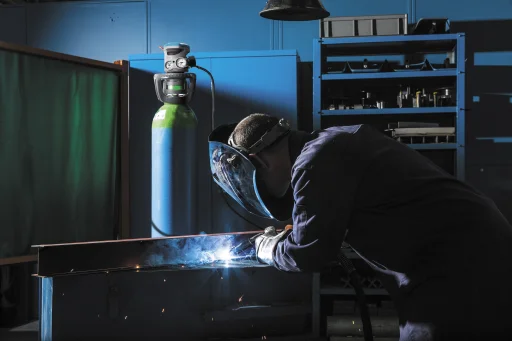
Choosing the right shielding gas is essential for achieving clean, consistent and high quality welds. Whether you are MIG welding, TIG welding or working with aluminium, the gas you use has a direct impact on arc stability, weld appearance and the level of protection around the weld pool.
Here at Engweld, we supply a wide range of industrial welding gases for trade, workshop and industrial applications, including argon, argon mix gases, MIG welding gas, TIG welding gas and specialist shielding gases. The best choice for your application will depend on the welding process, the material being welded and the finish you need to achieve.
What Is a Shielding Gas and What Does It Do?
Shielding gas protects the weld pool while the weld is being formed. Without the correct gas coverage, the molten metal can become contaminated by the air around it, which may weaken the weld or affect the finish.
The main role of shielding gas is to:
- Protect the weld pool from atmospheric contamination
- Support a stable welding arc
- Help reduce porosity and weld defects
- Improve weld appearance and consistency
- Influence weld penetration and bead profile
- Support better results across different materials
Using the correct shielding gas can make welding easier, cleaner and more consistent.
What Shielding Gas Is Used for MIG Welding?
MIG welding commonly uses argon based shielding gas or argon mix gases. The exact shielding gas used for MIG welding depends on the material, the welding wire and the result required.
For mild steel MIG welding, argon and carbon dioxide gas mixtures are commonly used because they help provide good arc stability, penetration and weld appearance. ARCAL™ Chrome offers brilliant welding performance for this application. For stainless steel MIG welding, specialist argon mix gases may be used to support a cleaner finish and reduce oxidation. For aluminium MIG welding, pure argon is often used because it provides stable shielding and helps produce a clean weld.
If you are choosing gas for MIG welding, it is important to match the cylinder to the parent material and welding wire. This helps improve weld quality and reduces the risk of issues such as spatter, porosity or poor fusion. View our MIG welding gas options, alongside compatible MIG welding wire and MIG welding torches.
What Shielding Gas Is Used for TIG Welding?
TIG welding usually uses pure argon as the shielding gas. Argon is suitable for TIG welding because it provides stable arc performance and effective protection around the weld pool. ARCAL™ Prime is our superior-quality shielding gas and can be used for most welding situations, including TIG and plasma welding.
Pure argon is commonly used when TIG welding stainless steel, aluminium, mild steel and other metals. In some specialist applications, argon blends may be used, but for many TIG welding jobs, argon is the standard choice.
TIG welding is often used where weld appearance, control and precision are important. This makes the choice of shielding gas especially important, as poor gas coverage can affect the cleanliness and consistency of the weld. You may also need suitable TIG welding rods and tungsten electrodes depending on your application.
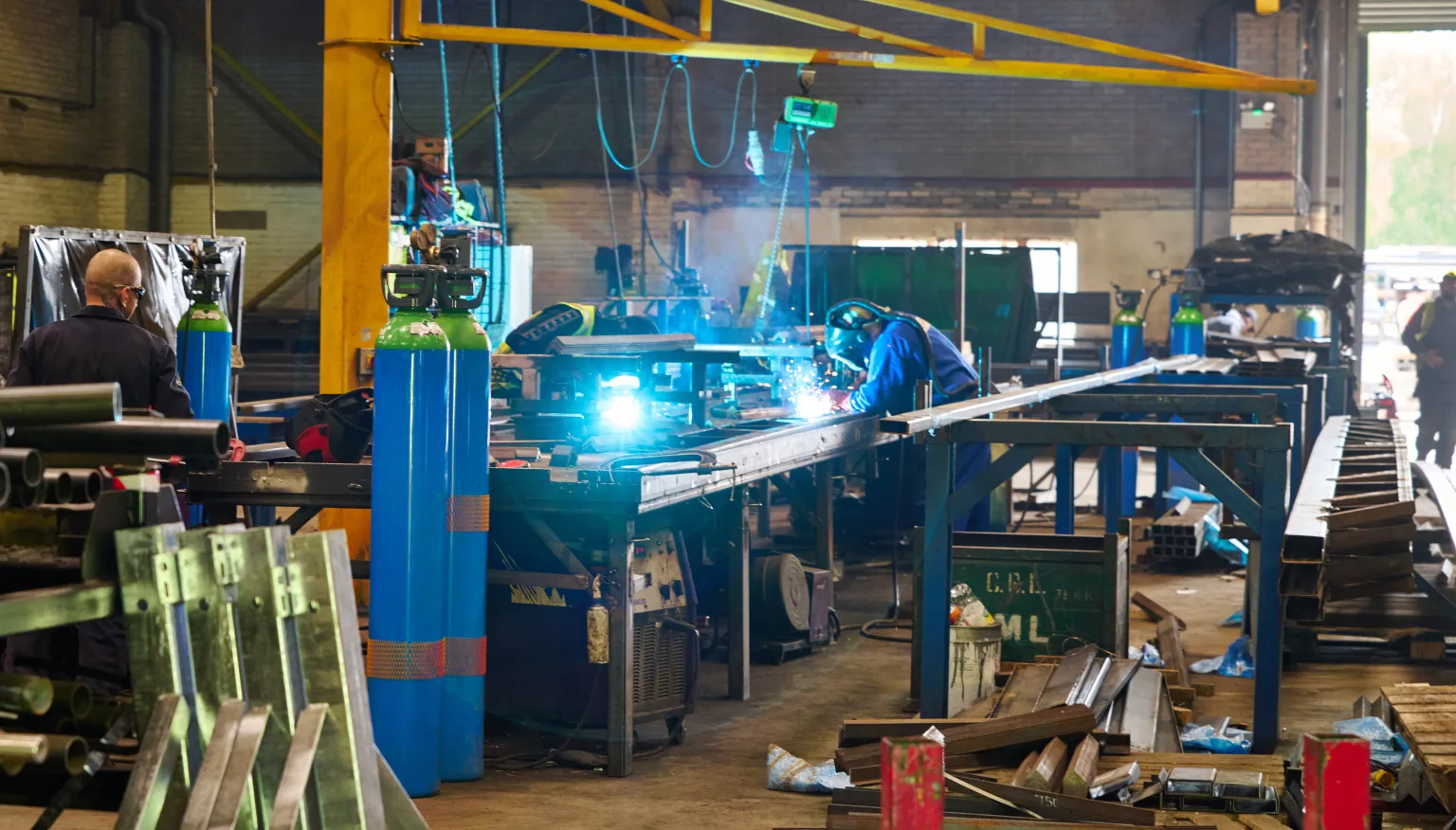
Why Is Argon Used as a Shielding Gas in Welding?
Argon is used as a shielding gas in welding because it is inert, which means it does not easily react with the molten weld pool. This makes it highly effective at protecting the weld area from oxygen, nitrogen and other atmospheric gases.
Argon also helps support a stable arc, which is one of the reasons it is widely used in both MIG and TIG welding. It is particularly important when welding aluminium and stainless steel, where weld cleanliness and finish are key considerations.
In MIG welding, argon is often blended with other gases to improve weld performance on certain materials. In TIG welding, pure argon is commonly used because it gives reliable arc stability and clean shielding across a wide range of applications. For suitable options, browse our argon welding gas cylinders.
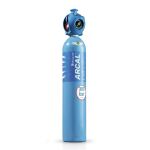
Our selection of our ARCAL™ gas mixtures



Choosing Shielding Gas by Material
The material being welded is one of the most important factors when choosing a shielding gas. Different metals react differently during welding, so using the right gas can help improve weld strength, appearance and performance.
| Material | Common Shielding Gas Choice | Why It Is Used |
|---|---|---|
| Mild steel | Argon mix gases, often blended with carbon dioxide | Helps support arc stability, penetration and consistent weld appearance |
| Stainless steel | Specialist argon mix shielding gases | Helps reduce oxidation and supports a cleaner finish |
| Aluminium | Pure argon | Provides clean, stable shielding for both MIG and TIG welding |
| General fabrication metals | Argon or argon mix gases | Offers reliable protection and consistent weld quality across common workshop applications |
If you are unsure which shielding gas is right for your application, our fabrication experts can help advise on suitable gas cylinders based on your welding process, material and supply requirements.
Shielding Gas Cylinder Supply
We supply shielding gas cylinders for workshops, fabrication companies, mobile engineers and industrial users. Our range includes argon, argon mix, MIG welding gas, TIG welding gas and other industrial welding gases, with cylinder options available to suit different usage levels and working environments.
Whether you need a cylinder for regular workshop use, portable welding applications or larger scale industrial supply, we can help you source the right gas for your welding process. To complete your setup, you may also need compatible gas regulators and gas equipment gas equipment for safe and effective cylinder use.
FAQs
Do I need different shielding gases for different materials?
Yes. Mild steel, stainless steel and aluminium often require different shielding gas options. Matching the gas to the material and welding process helps achieve better weld quality and consistency.
Can Engweld help me choose the right shielding gas?
Yes. We can help you choose a suitable shielding gas based on your welding process, material, cylinder requirements and supply needs. Get in touch with our friendly, expert team if you need any advice.
Do I need a regulator for shielding gas cylinders?
Yes. Shielding gas cylinders need a suitable regulator or flow control setup to manage gas delivery safely and consistently. You can also browse compatible gas regulators and gas equipment.