- About
- Meet Our Experts
- Repairs & Servicing
- Knowledge Hub
- Warranty
-
- ex VAT
- inc VAT



TIG Welders
85 products
Top Sales Picks

Free Delivery
In Stock

Free Delivery
In Stock
Was £2,368.75
Save £473.75
Was £2,842.50
Save £568.50
£1,895.00
EX
VAT
£2,274.00
INC
VAT
Offer ends soon
Was £2,368.75
Save £473.75
Was £2,842.50
Save £568.50
£1,895.00
EX
VAT
£2,274.00
INC
VAT
Free Delivery
In Stock

Free Delivery
In Stock
Was £693.75
Save £138.75
Was £832.50
Save £166.50
£555.00
EX
VAT
£666.00
INC
VAT
Offer ends soon
Was £693.75
Save £138.75
Was £832.50
Save £166.50
£555.00
EX
VAT
£666.00
INC
VAT

Free Delivery
In Stock

Free Delivery
In Stock
Was £3,373.75
Save £674.75
Was £4,048.50
Save £809.70
£2,699.00
EX
VAT
£3,238.80
INC
VAT
Offer ends soon
Was £3,373.75
Save £674.75
Was £4,048.50
Save £809.70
£2,699.00
EX
VAT
£3,238.80
INC
VAT

Free Delivery
In Stock

Free Delivery
In Stock
Was £561.25
Save £162.25
Was £673.50
Save £194.70
£399.00
EX
VAT
£478.80
INC
VAT
Offer ends soon
Was £561.25
Save £162.25
Was £673.50
Save £194.70
£399.00
EX
VAT
£478.80
INC
VAT
Free Delivery
In Stock
Free Delivery
In Stock
Was £236.25
Save £47.25
Was £283.50
Save £56.70
£189.00
EX
VAT
£226.80
INC
VAT
Offer ends soon
Was £236.25
Save £47.25
Was £283.50
Save £56.70
£189.00
EX
VAT
£226.80
INC
VAT
Free Delivery
In Stock

Free Delivery
In Stock
Was £1,311.25
Save £262.25
Was £1,573.50
Save £314.70
£1,049.00
EX
VAT
£1,258.80
INC
VAT
Offer ends soon
Was £1,311.25
Save £262.25
Was £1,573.50
Save £314.70
£1,049.00
EX
VAT
£1,258.80
INC
VAT
Free Delivery
In Stock

Free Delivery
In Stock
Was £1,998.75
Save £399.75
Was £2,398.50
Save £479.70
£1,599.00
EX
VAT
£1,918.80
INC
VAT
Offer ends soon
Was £1,998.75
Save £399.75
Was £2,398.50
Save £479.70
£1,599.00
EX
VAT
£1,918.80
INC
VAT
In Stock
Was £875.00
Save £175.00
Was £1,050.00
Save £210.00
£700.00
EX
VAT
£840.00
INC
VAT
Offer ends soon
Was £875.00
Save £175.00
Was £1,050.00
Save £210.00
£700.00
EX
VAT
£840.00
INC
VAT

Free Delivery
In Stock

Free Delivery
In Stock
Was £1,906.25
Save £381.25
Was £2,287.50
Save £457.50
£1,525.00
EX
VAT
£1,830.00
INC
VAT
Offer ends soon
Was £1,906.25
Save £381.25
Was £2,287.50
Save £457.50
£1,525.00
EX
VAT
£1,830.00
INC
VAT
Free Delivery
In Stock

Free Delivery
In Stock
Was £1,043.75
Save £208.75
Was £1,252.50
Save £250.50
£835.00
EX
VAT
£1,002.00
INC
VAT
Offer ends soon
Was £1,043.75
Save £208.75
Was £1,252.50
Save £250.50
£835.00
EX
VAT
£1,002.00
INC
VAT
Free Delivery
In Stock

Free Delivery
In Stock
Was £723.75
Save £144.75
Was £868.50
Save £173.70
£579.00
EX
VAT
£694.80
INC
VAT
Offer ends soon
Was £723.75
Save £144.75
Was £868.50
Save £173.70
£579.00
EX
VAT
£694.80
INC
VAT
Free Delivery
In Stock
Free Delivery
In Stock
Was £693.75
Save £138.75
Was £832.50
Save £166.50
£555.00
EX
VAT
£666.00
INC
VAT
Offer ends soon
Was £693.75
Save £138.75
Was £832.50
Save £166.50
£555.00
EX
VAT
£666.00
INC
VAT
Free Delivery
In Stock
Free Delivery
In Stock
Was £2,368.75
Save £473.75
Was £2,842.50
Save £568.50
£1,895.00
EX
VAT
£2,274.00
INC
VAT
Offer ends soon
Was £2,368.75
Save £473.75
Was £2,842.50
Save £568.50
£1,895.00
EX
VAT
£2,274.00
INC
VAT
In Stock

In Stock
Was £1,968.75
Save £393.75
Was £2,362.50
Save £472.50
£1,575.00
EX
VAT
£1,890.00
INC
VAT
Offer ends soon
Was £1,968.75
Save £393.75
Was £2,362.50
Save £472.50
£1,575.00
EX
VAT
£1,890.00
INC
VAT
Free Delivery
In Stock

Free Delivery
In Stock
Was £3,968.75
Save £793.75
Was £4,762.50
Save £952.50
£3,175.00
EX
VAT
£3,810.00
INC
VAT
Offer ends soon
Was £3,968.75
Save £793.75
Was £4,762.50
Save £952.50
£3,175.00
EX
VAT
£3,810.00
INC
VAT
Free Delivery

Free Delivery
Was £1,950.00
Save £390.00
Was £2,340.00
Save £468.00
£1,560.00
EX
VAT
£1,872.00
INC
VAT
Offer ends soon
Was £1,950.00
Save £390.00
Was £2,340.00
Save £468.00
£1,560.00
EX
VAT
£1,872.00
INC
VAT
Free Delivery
In Stock

Free Delivery
In Stock
Was £2,687.50
Save £537.50
Was £3,225.00
Save £645.00
£2,150.00
EX
VAT
£2,580.00
INC
VAT
Offer ends soon
Was £2,687.50
Save £537.50
Was £3,225.00
Save £645.00
£2,150.00
EX
VAT
£2,580.00
INC
VAT
Free Delivery
In Stock

Free Delivery
In Stock
Was £3,000.00
Save £600.00
Was £3,600.00
Save £720.00
£2,400.00
EX
VAT
£2,880.00
INC
VAT
Offer ends soon
Was £3,000.00
Save £600.00
Was £3,600.00
Save £720.00
£2,400.00
EX
VAT
£2,880.00
INC
VAT
Free Delivery
In Stock

Free Delivery
In Stock
Was £1,593.75
Save £318.75
Was £1,912.50
Save £382.50
£1,275.00
EX
VAT
£1,530.00
INC
VAT
Offer ends soon
Was £1,593.75
Save £318.75
Was £1,912.50
Save £382.50
£1,275.00
EX
VAT
£1,530.00
INC
VAT

Free Delivery

Free Delivery
Was £1,400.00
Save £280.00
Was £1,680.00
Save £336.00
£1,120.00
EX
VAT
£1,344.00
INC
VAT
Offer ends soon
Was £1,400.00
Save £280.00
Was £1,680.00
Save £336.00
£1,120.00
EX
VAT
£1,344.00
INC
VAT
Free Delivery

Was £1,593.75
Save £318.75
Was £1,912.50
Save £382.50
£1,275.00
EX
VAT
£1,530.00
INC
VAT
Offer ends soon
Was £1,593.75
Save £318.75
Was £1,912.50
Save £382.50
£1,275.00
EX
VAT
£1,530.00
INC
VAT
Free Delivery

Free Delivery
Was £3,875.00
Save £775.00
Was £4,650.00
Save £930.00
£3,100.00
EX
VAT
£3,720.00
INC
VAT
Offer ends soon
Was £3,875.00
Save £775.00
Was £4,650.00
Save £930.00
£3,100.00
EX
VAT
£3,720.00
INC
VAT
Free Delivery

Was £1,765.00
Save £353.00
Was £2,118.00
Save £423.60
£1,412.00
EX
VAT
£1,694.40
INC
VAT
Offer ends soon
Was £1,765.00
Save £353.00
Was £2,118.00
Save £423.60
£1,412.00
EX
VAT
£1,694.40
INC
VAT
Free Delivery

Free Delivery
Was £1,148.75
Save £229.75
Was £1,378.50
Save £275.70
£919.00
EX
VAT
£1,102.80
INC
VAT
Offer ends soon
Was £1,148.75
Save £229.75
Was £1,378.50
Save £275.70
£919.00
EX
VAT
£1,102.80
INC
VAT
Free Delivery
In Stock

Free Delivery
In Stock
Was £1,345.00
Save £269.00
Was £1,614.00
Save £322.80
£1,076.00
EX
VAT
£1,291.20
INC
VAT
Was £1,345.00
Save £269.00
Was £1,614.00
Save £322.80
£1,076.00
EX
VAT
£1,291.20
INC
VAT
In Stock

Was £3,368.75
Save £673.75
Was £4,042.50
Save £808.50
£2,695.00
EX
VAT
£3,234.00
INC
VAT
Offer ends soon
Was £3,368.75
Save £673.75
Was £4,042.50
Save £808.50
£2,695.00
EX
VAT
£3,234.00
INC
VAT
Free Delivery

Was £3,025.00
Save £605.00
Was £3,630.00
Save £726.00
£2,420.00
EX
VAT
£2,904.00
INC
VAT
Offer ends soon
Was £3,025.00
Save £605.00
Was £3,630.00
Save £726.00
£2,420.00
EX
VAT
£2,904.00
INC
VAT
Free Delivery

Was £4,350.00
Save £870.00
Was £5,220.00
Save £1,044.00
£3,480.00
EX
VAT
£4,176.00
INC
VAT
Offer ends soon
Was £4,350.00
Save £870.00
Was £5,220.00
Save £1,044.00
£3,480.00
EX
VAT
£4,176.00
INC
VAT
Free Delivery

Was £3,175.00
Save £635.00
Was £3,810.00
Save £762.00
£2,540.00
EX
VAT
£3,048.00
INC
VAT
Offer ends soon
Was £3,175.00
Save £635.00
Was £3,810.00
Save £762.00
£2,540.00
EX
VAT
£3,048.00
INC
VAT
Free Delivery

Free Delivery
Was £1,368.75
Save £273.75
Was £1,642.50
Save £328.50
£1,095.00
EX
VAT
£1,314.00
INC
VAT
Offer ends soon
Was £1,368.75
Save £273.75
Was £1,642.50
Save £328.50
£1,095.00
EX
VAT
£1,314.00
INC
VAT
Free Delivery
In Stock
Free Delivery
In Stock
Was £3,373.75
Save £674.75
Was £4,048.50
Save £809.70
£2,699.00
EX
VAT
£3,238.80
INC
VAT
Offer ends soon
Was £3,373.75
Save £674.75
Was £4,048.50
Save £809.70
£2,699.00
EX
VAT
£3,238.80
INC
VAT
Free Delivery
In Stock

Free Delivery
In Stock
Was £2,073.75
Save £473.75
Was £2,488.50
Save £568.50
£1,600.00
EX
VAT
£1,920.00
INC
VAT
Offer ends soon
Was £2,073.75
Save £473.75
Was £2,488.50
Save £568.50
£1,600.00
EX
VAT
£1,920.00
INC
VAT
Free Delivery

Was £2,465.00
Save £493.00
Was £2,958.00
Save £591.60
£1,972.00
EX
VAT
£2,366.40
INC
VAT
Offer ends soon
Was £2,465.00
Save £493.00
Was £2,958.00
Save £591.60
£1,972.00
EX
VAT
£2,366.40
INC
VAT
TIG welding, also known as Gas Tungsten Arc Welding or GTAW, uses a non-consumable tungsten electrode and an inert shielding gas to produce a precise, controllable arc. Filler rod is added separately by hand where the joint requires it. The process is slower than MIG welding and demands considerably more operator skill, but for stainless steel fabrication, pipework, aerospace components, automotive bodywork and any application where weld quality and finish are non-negotiable, it remains the process of choice.
We supply TIG welders from ESAB, Migatronic, Lincoln Electric and Parweld, covering AC/DC TIG welders and DC-only TIG welders output across the full amperage range, with machines available from stock for next day delivery to UK mainland addresses or collection from our 10 branches across the North of England and the Midlands.
TIG Welding Machines
Our range covers single-phase portable machines suited to smaller workshops and site use through to higher-output three-phase units built for sustained production welding. All machines are supplied with manufacturer warranty and backed by our own team of eight service engineers covering repair, servicing and calibration across the brands we stock.
TIG welding suits thin materials, precision pipework and detailed fabrication particularly well, where the controlled heat input and clean arc finish are difficult to match with other processes. The key choice for most buyers is between DC-only and AC/DC output. DC machines handle mild steel, stainless steel and copper alloys and represent the practical choice for fabricators who do not regularly weld aluminium. AC/DC machines add the alternating current capability needed to break down the oxide layer on aluminium's surface, allowing the arc to fuse the parent metal cleanly. If aluminium features in your work at all, an AC/DC machine is the correct specification. Many models across our range are available from stock and can be despatched the same day the order is placed.
Need Help Choosing the Right TIG Welder?
Selecting the right machine depends on the materials you are welding, your available power supply and your expected workload. Our experienced team can advise on the most suitable specification for your requirements, whether you are replacing existing equipment or purchasing your first TIG welder. Contact us directly or visit one of our branches, where demonstration and hire machines are available if you want to assess a model before committing to a purchase
Related TIG Products and Accessories
To complete your TIG welding setup, we also supply TIG welding rods covering steel, stainless and aluminium filler materials, TIG torches and spares including WP9, WP17, WP18 and WP26 configurations, TIG foot pedals for variable amperage control, TIG welding gloves and tungsten electrodes in all standard grades and diameters. Argon shielding gas and regulators are available through our sister company Energas.
TIG Welder Technical Specifications Comparison
This table compares the key technical specifications for the popular ESAB, Migatronic and Lincoln TIG welding machines. The most critical specifications for TIG are the Current Type (DC only vs. AC/DC), Max Output, and Duty Cycle.
| Specification | ESAB Rogue ET 181iP | ESAB Rogue ET 201iP | ESAB Rogue ET 230iP AC/DC | ESAB Rebel EMP 205ic AC/DC | Migatronic CenTIG 200 AC/DC | Lincoln Aspect 200 AC/DC |
| Primary Current Type | DC Only | DC Only | AC/DC | Multi-Process (MIG, TIG, MMA) AC/DC | AC/DC | AC/DC |
| Input Power (Voltage/Phase) | 230V / 1 Ph | 230V / 1 Ph | 115V/230V / 1 Ph | 120V/230V / 1 Ph | 230V / 1 Ph | 115V/230V / 1 Ph |
| Max TIG Output Current | 180 A (DC) | 200 A (DC) | 230 A (AC/DC @ 230V) | 205 A (DC TIG) / 205 A (AC TIG) | 200 A (AC/DC) | 200 A (AC/DC) |
| Duty Cycle @ Max Current (40°C) | 180 A @ 25% | 200 A @ 25% | 230 A @ 30% | 205 A @ 25% | 200 A @ 100% | 200 A @ 35% |
| TIG Duty Cycle @ 100% (40°C) | 90 A | 100 A | 126 A | 110 A | 200 A | 130 A |
| AC TIG Frequency Range | N/A (DC Only) | N/A (DC Only) | Up to 400 Hz (Approx.) | Up to 400 Hz | 25 - 300 Hz | N/A (Standard Model - Advanced functions) |
| TIG Pulse Frequency | Up to 500 Hz | Up to 500 Hz | N/A (Advanced Menu) | Yes (Standard feature) | Yes | |
| Arc Start | High Frequency (HF) | High Frequency (HF) | High Frequency (HF) | High Frequency (HF) / Lift TIG | High Frequency (HF) / Lift TIG | High Frequency (HF) / Lift TIG |
| Weight (Approx.) | 8.7 kg | 8.7 kg | 19 kg | 22 kg | 12.7 kg | 23 kg |
| Key Differentiating Feature | Highly Portable (DC Only) | Increased DC Power in a Portable Unit | High Output AC/DC | True Multi-Process (MIG, TIG, Stick) | Exceptional 100% Duty Cycle | Advanced AC TIG functions (4 wave shapes) |
TIG Welders FAQs
What is TIG welding?
TIG welding, which stands for Tungsten Inert Gas welding and is also known as GTAW (Gas Tungsten Arc Welding) is a type of welding that uses a non-consumable tungsten electrode to produce the weld. It differs from MIG welding through how the arc is used, for example MIG welding uses a wire to create the spark needed for welding, whereas TIG welding uses rods of tungsten to weld metals together.
Engweld supplies everything you need for TIG welding including TIG Torches, TIG Torch Spares, TIG Welding Rods, Tungsten Electrodes and TIG Welding Gloves.
What gas do TIG welders use?
Pure argon is the standard shielding gas for TIG welding across the majority of materials and applications. Its inert properties protect both the tungsten electrode and the weld pool from atmospheric contamination, producing the clean, oxide-free finish the process is known for. We supply argon through our sister company Energas, including ARCAL Prime, a 99.998% purity argon suitable for professional TIG applications on stainless steel, aluminium and specialist alloys. Use our welding gas selector guide to confirm the right gas for your material and application, and pick up a gas regulator at the same time if needed.
What works for my budget?
As with most equipment, budget and specification are closely linked. A DC TIG welder such as the ESAB Rogue ET 181iP sits at the more accessible end of the range, while AC/DC machines and multi-process units like the ESAB Rebel 205ic AC/DC or Parweld XTM211Di carry a higher price point reflecting their broader capability. The most practical approach is to establish your material and output requirements first, then find the best machine within your budget that meets those needs. Our team is happy to talk through the options.
What materials can be welded?
TIG welders have the benefit of allowing the welding of more metals and alloys than any other process, meaning materials like stainless steel, aluminium, magnesium, copper, brass, bronze and even gold can be welded.
AC/DC vs DC only TIG Machines
With an AC/DC machine your options are largely unrestricted, as you can switch current type to suit the metal you are working with. DC-only machines are the right choice for mild steel and stainless steel but are not suitable for aluminium. If aluminium is part of your work, an AC/DC machine is the correct specification. It is also worth noting that tungsten electrode selection varies by material: thoriated (red) tungsten for mild steel and stainless steel, and zirconiated (white) tungsten for aluminium.
What benefits are there using a higher frequency on AC TIG?
Combined with adjusting the balance control to increase the electrode negative polarity, which produces deeper penetration and prevents the tungsten from balling up, high AC frequency gives you the ability to weld very tight joints with good penetration and without laying down too much filler metal.
What is pulse welding?
Pulse welding is welding that alternates between a high and low current. This reduces the overall heat input and spatter while ensuring greater resistance to a lack of fusion. The benefit of pulse welding is that you can weld both thicker and thinner metals without burning through them.
Are there any benefits of three phase over single phase?
Three-phase power supplies are more efficient than single-phase. A three-phase supply can transmit significantly more power while requiring only one additional wire, which in practical terms means higher available amperage and the ability to sustain a higher duty cycle. For production environments where the machine runs continuously for extended periods, three-phase supply is worth considering if it is available in your workshop.
What is the difference between Lift TIG and HF TIG?
Both are methods of starting the arc between the tungsten electrode and the workpiece. With Lift TIG, the electrode is touched briefly to the parent metal and then lifted away. The machine detects the break in contact and delivers full current to establish the arc. With HF (High Frequency) TIG, the arc initiates without the electrode touching the workpiece: the welder positions the torch close to the surface and triggers the arc directly. HF start is available on most professional TIG machines and keeps the tungsten cleaner by avoiding contact with the parent metal, reducing the risk of contamination in the weld.
Why should I use a TIG pedal with my TIG welder?
A TIG foot pedal gives you real-time control over the amperage as you weld, which directly improves your ability to manage heat input and maintain accuracy on variable-thickness or intricate work. See our full range of TIG foot pedals.
Input voltage and electrical supply
Standard UK mains outlets supply 230V. Before purchasing, check the available supply in your workspace and confirm the amp rating to ensure you have sufficient capacity for the machine you are considering. A useful rule of thumb: 1A of input supply equates to approximately 10A of output, so a machine drawing 240A output requires around 24A of input. If you are operating from a generator or a workspace with limited supply, check the machine's minimum input requirements before ordering.
IP23 Rating: IP23 vs IP23S
An IP rating indicates the Ingress Protection level of a TIG machine, covering its resistance to foreign particles such as dust and water. The additional S in an IP23S rating indicates the machine was stationary during the water ingress test, rather than in operation.
Meet Our Welding Experts
For projects that go beyond standard off-the-shelf requirements, our Fabex team at Engweld and Energas brings together highly skilled engineers and fabricators with experience across the most demanding welding and metalworking applications. From bespoke structural fabrications to precision-engineered components and specialist material requirements, the team combines technical knowledge with a practical, collaborative approach. Get in touch to discuss your project.
TIG Welder Service and Repair
We operate a dedicated team of eight repair and service engineers covering the full range of brands we stock. Whether you need a routine service, a repair to return a machine to operation, or calibration support, our engineers work with customers of all sizes across our branch network. Contact us to book a service or discuss your requirements.
Read more about TIG Welders
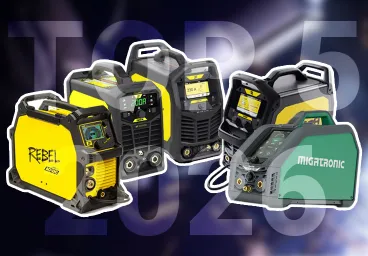
Best TIG Welders in 2026
Looking for the best TIG welder? Explore our 2026 selection of high-performance machines. From compact and portable to heavy-duty industrial models, we have the perfect TIG welder for you.
Read more
What Gas Do You Need for TIG Welding? A Complete Guide
In this guide, we'll take a closer look at the gases commonly used in TIG welding, how they work and how to choose the right one for your project.
Read more
TIG Welding For Beginners: Learn the basics
Learn TIG welding basics in this beginner’s guide, covering essential techniques and tips for clean, precise welding in automotive, food production, and more.
Read more
Factors to consider when TIG welding stainless steel
Welding stainless steel is unique and different from welding other metals. It is crucial to understand stainless steel and the different types of stainless steel out there. This article will look at the various important factors to consider.
Read more
TIG Welding FAQs
Here we answer the most frequently asked questions around TIG Welding and TIG Welders.
Read more
Key things to consider when choosing your TIG welder
Knowing where to start with TIG welding can seem like a daunting process but we’ve made it easy with everything you need to know about choosing a TIG welder.
Read more
5 Key Tips for TIG Welding
When undertaking TIG welding there are a few key points to consider which we will go over in this article.
Read more
Things to consider when TIG welding aluminium
Working with aluminium is difficult due to its high conductivity and low melting point, while the oxidised film on the aluminium surface has a different melting point and is therefore tricky to work with for even experienced welders.
Read more