


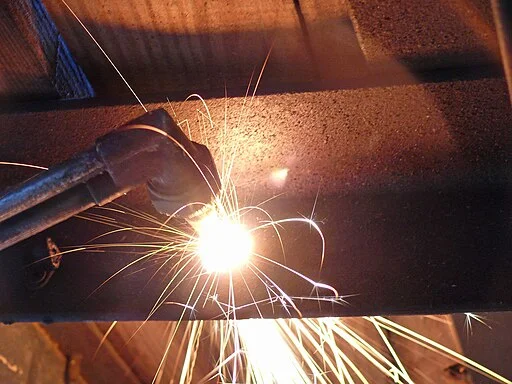
Oxy acetylene welding, also known as oxy-fuel welding or simply oxy acetylene, is a traditional welding process that uses a flame that is generated by burning acetylene gas in oxygen. The flame reaches super high temperatures, which then enables the melting of metal to fuse the pieces together.
Though modern welding methods such as MIG welding and TIG welding have surpassed oxy-acetylene welding in many industrial applications, the technique is still preferred and widely used by many. It is great for smaller repairs and small workshops as it doesn’t require an electricity source.
Can You Weld Aluminium With Oxy Acetylene?
Welding aluminium with oxy acetylene is somewhat controversial. It is more complex than welding steel, but under the right conditions, it can be done.
With the high temperature of the oxy acetylene flame, in theory, aluminium can be melted. However, the process required careful flame control. It would typically involve using carburising or a reduced flame (with excess acetylene), to avoid oxidising the molten metal.
The two challenges of welding aluminium with oxy acetylene are the speed at which aluminium oxidises when molten and the mechanical properties the welds may lack.
In theory, yes you can weld aluminium with oxy acetylene, but to do so correctly requires expertise, proper surface preparation, flux or filler designed for aluminium and understanding of the limitations. For DIY-welders, an alternative welding method would be more suitable.
Can You Weld Stainless Steel With Oxy Acetylene?
Oxy acetylene welding has been used historically for stainless steel because the torch flame can be adjusted. Therefore, a suitably-controlled oxy acetylene flame can melt and join stainless steel sections together. However, similar to welding aluminium, it can be difficult.
The high heat of the flame, combined with a lack of inert shielding, can cause oxidation or contamination of the weld pool. This can lead to porous or brittle welds.
The main challenges of oxy acetylene welding for stainless steel are the heat of the flame causing oxidisation and the wider heat-affected zone (HAZ) of oxy-fuel welding can distort the metal.
So, in theory, yes you can weld stainless steel using oxy acetylene welding, however alternative welding technologies are likely to provide a higher quality, stronger weld.
What Can You Weld With Oxy Acetylene?
As well as stainless steel and aluminium, here are some other common uses for oxy acetylene welding:
Cast iron - a controlled pre-heat and slow cooling helps prevent cracking Copper & brass - these materials respond well to the precise, adjustable heat of the oxy-fuel flame Low-carbon steel - oxy acetylene welding provides great control for thin or delicate sections Bronze & nickel alloys - where portability and careful temperature control is required, oxy acetylene is great for restoration or repair projects
Overall, oxy acetylene welding is a versatile welding technique. While other techniques such as MIG and TIG welding have more advantages, oxy-fuel welding is still the best option for certain applications. It remains particularly useful when:
Working with thin gauge metal, sheet metal or small-diameter pipes or tubes You need portability You’re repairing something, rather than structural welding You’re cutting, brazing, soldering or heating
If you require more information on oxy acetylene welding equipment or how to use it, our expert team are happy to help - get in touch.